The Oliver Tree Helicopter Accident in Brazil: The Investigation, the One Who Was Spared, and the Unanswered Questions
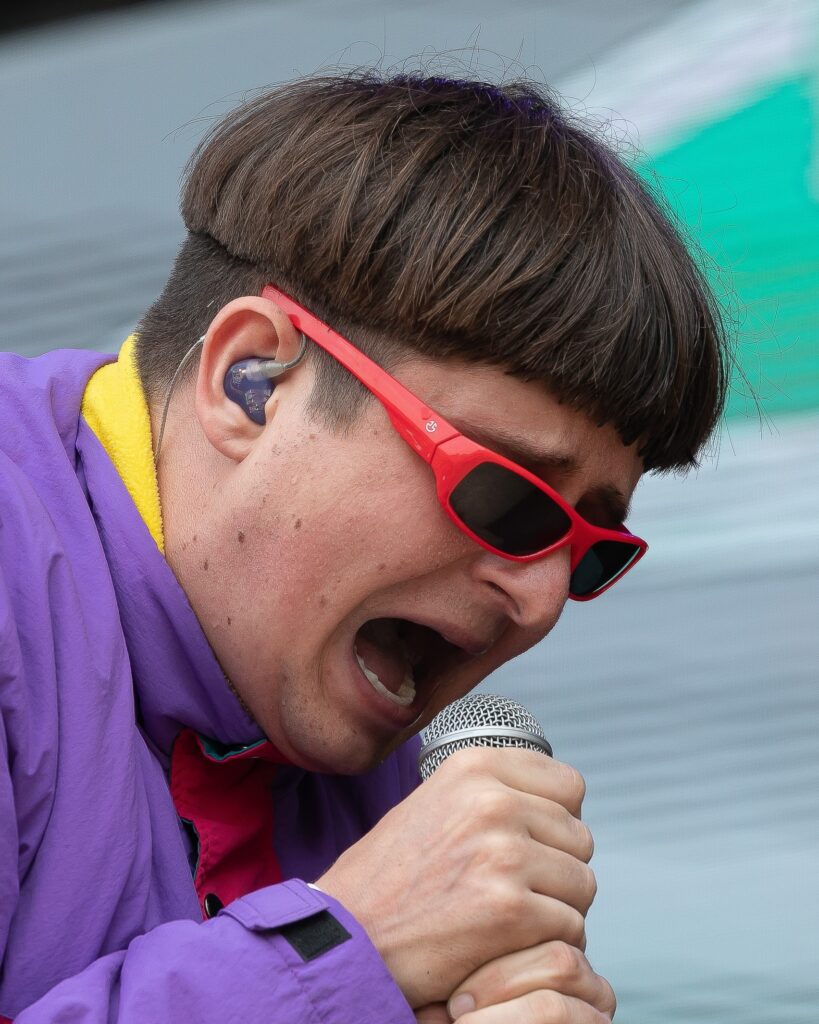
The morning of Sunday, June 14, 2026, started like any other in western Rio de Janeiro. Then, within seconds, everything changed. Two helicopters collided in mid-air over the Recreio dos Bandeirantes neighborhood, went down onto a car dealership's parking lot, and caught fire. As the smoke began to clear, the world learned that Oliver Tree, one of the most original artists of recent years, was among the six victims. Alongside him: Argentine YouTuber Gaspi, filmmaker Lucas Vignale, producer Lucas Frota, and the two aircraft pilots.

In the days that followed, as families processed their grief and examiners worked to identify the remains, details began to emerge that added layers of complexity to a tragedy that was already difficult to process on its own. The story of the accident goes well beyond the initial headline.
The Influencer Who Was Spared by a Prior Commitment
One of the most striking details to emerge in the following days was a public statement from influencer Iae Break, who said he had come close to boarding the same helicopter carrying Oliver Tree and Gaspi that morning. In his own words, a prior commitment kept him off the aircraft.
In the context of a tragedy, testimonies like this force a reflection on something we normally take for granted: the randomness of existence. In this case, the difference between being on that helicopter or not came down to a prior scheduling conflict — a plan made days earlier. Sometimes it's the seemingly smallest details that end up deciding everything.
The Last Photos: An Image No One Imagined Would Be the Final One
Before the accident was officially confirmed, what were described as the last photographs of Oliver Tree and Gaspi together began circulating on social media. Images taken in a relaxed setting, the way anyone photographs themselves enjoying a trip or hanging out with friends. Seen in hindsight, they carried an emotional weight no one could have anticipated at the moment they were taken.
Oliver Tree's last public performance had been on June 6 in São Paulo, Brazil, eight days before the accident. The artist had stayed in the country as part of his world tour, using the days between shows to explore the city and spend time with friends from the entertainment world — Gaspi among them. A meeting between two creators from very different worlds who were equally authentic.
The Official Investigation: Two Fronts, Many Questions

The investigation into the cause of the accident is running on two parallel official tracks. Rio de Janeiro's Civil Police is handling the criminal case, focused on determining whether there were irregularities in the flight plans and whether there was proper communication with air traffic control before the collision. Brazil's Center for Investigation and Prevention of Aeronautical Accidents (Cenipa) will produce the definitive technical report on the cause of the crash, including analysis of the wreckage and available flight records.
The chief of the 42nd Police Precinct explained that the aircraft were required to follow specific air corridors, and that the investigation would determine whether that was actually the case. An aviation expert consulted by Latin American media pointed to a possible lack of communication with air traffic control as a factor authorities should prioritize in their analysis. Relatives of one of the deceased pilots publicly raised the possibility that at least one of the aircraft wasn't in optimal flying condition, adding urgency to the investigation.
Police sources also confirmed that one of the helicopters belonged to a lawyer who was a friend of the victims — a detail that's part of the open case file and could carry implications for the aircraft owner's civil liability.
A World in Mourning: From Bogotá to Tokyo
Over the course of his career, Oliver Tree had built a fan base spanning every continent, and news of his death triggered reactions in all of those places almost simultaneously. In Colombia, the impact was especially notable because the artist had shows scheduled in Bogotá as part of his tour. Fans who already held tickets faced a double loss: the concert and the artist.
In Mexico, where Oliver Tree had one of his most devoted fan bases in Latin America, tribute gatherings were organized in Mexico City. Social media saw his name trending for hours, with messages in English, Spanish, Portuguese, Italian, and dozens of other languages. The global scale of the mourning was, in itself, a reflection of the global reach of his work and influence.
Air Safety in Brazil: A Debate That Resurfaces
Beyond the individual grief, the Rio de Janeiro accident has reopened the debate over private helicopter safety in Brazil. The country has one of the largest private helicopter fleets in the world, especially in its major cities. However, regulation and oversight of these aircraft's operating conditions has repeatedly been flagged as an area needing greater institutional rigor.
Cenipa's technical report, which could take several months to complete, will be the definitive document for understanding what happened in the skies over Rio. Its conclusions could carry significant implications for Brazilian aviation regulations and how private flights are regulated over densely populated urban areas. For now, the questions outnumber the answers. The families of the six victims deserve clear answers. The investigation continues.
Oliver Tree was 32, with the whole world still ahead of him. Gaspi was 23, with an entire generation following him. Both died the same day, in the same sky over Rio de Janeiro, leaving a silence that their songs, videos, and memories will keep trying to fill for a long time to come.
Frequently Asked Questions
Who almost boarded the helicopter but wasn't on it?
Influencer Iae Break publicly stated he came close to boarding the same helicopter as Oliver Tree and Gaspi that morning, but a prior commitment kept him off the flight.
Who is investigating the crash?
Two bodies are investigating in parallel: Rio de Janeiro's Civil Police, handling the criminal case, and Cenipa, Brazil's aeronautical accident investigation body, which is preparing the technical report.
Who owned the helicopter involved in the crash?
Police sources confirmed one of the helicopters belonged to a lawyer who was a friend of the victims, a detail now part of the open case file.
Has this accident changed helicopter safety rules in Brazil?
The crash has reopened debate over private helicopter oversight in Brazil, and Cenipa's final report could influence future aviation regulation in densely populated urban areas.